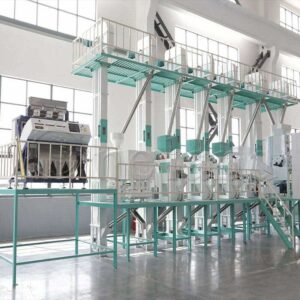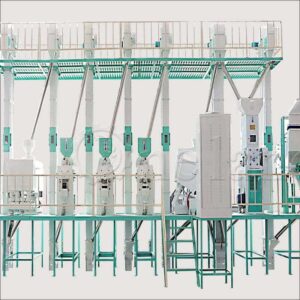
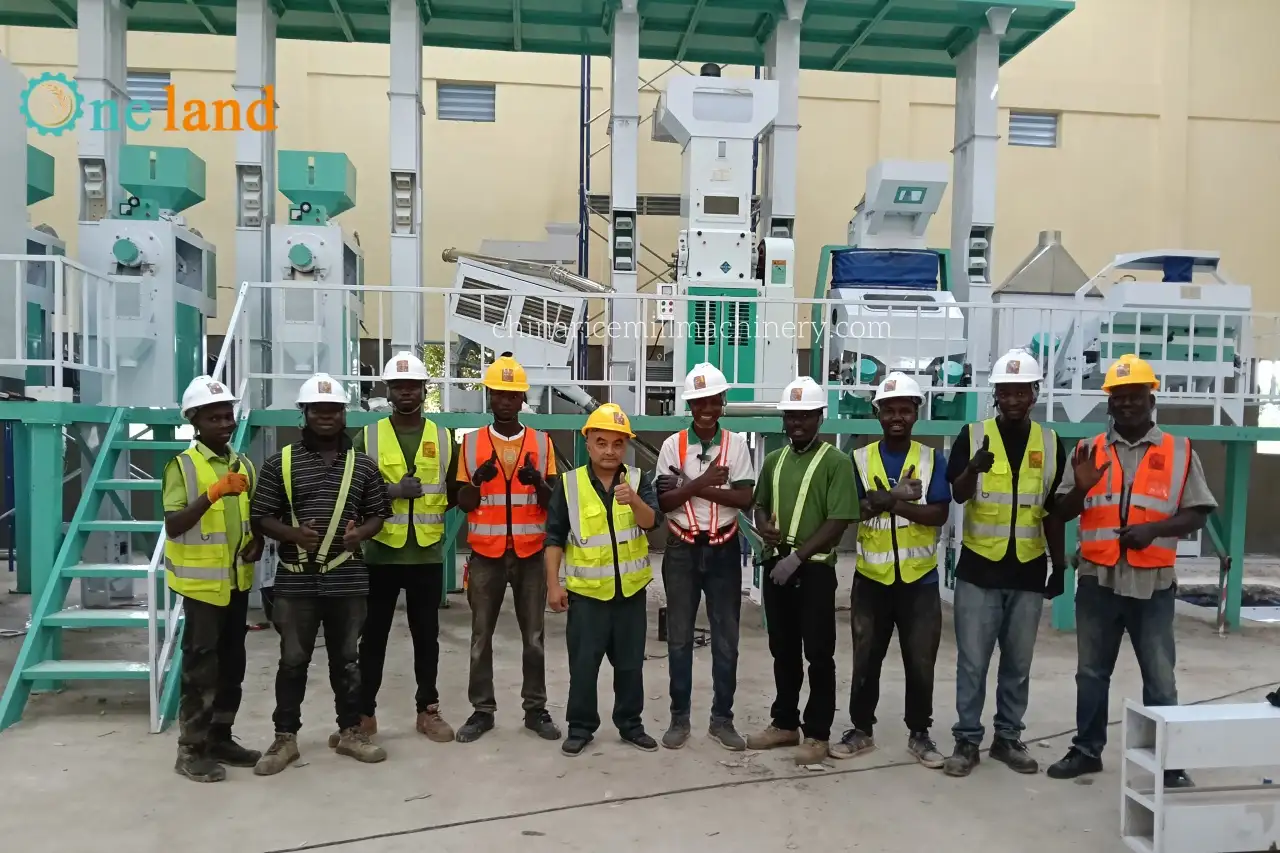
60T Rice Milling Unit Successfully Installed in Burkina Faso
Project Overview: 60T Rice Milling Unit in Burkina Faso
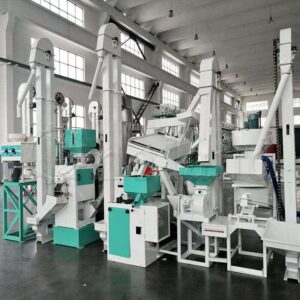
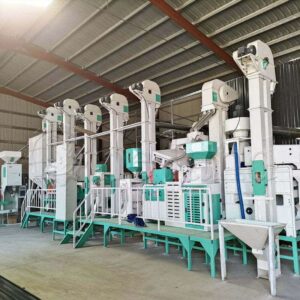
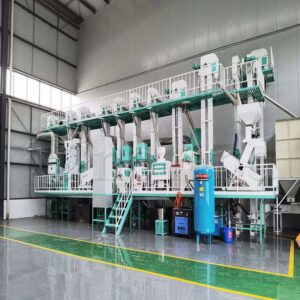
We are pleased to announce the successful installation of a 60T rice milling unit in Burkina Faso, providing an efficient solution for local rice processing. This project demonstrates how modern rice milling equipment can help rice processors improve production efficiency, enhance rice quality, and meet the growing demand for processed rice in the African market.
As an important agricultural country in West Africa, Burkina Faso has significant potential for rice production and processing. With the development of the local agricultural industry, investing in reliable rice milling equipment has become an attractive option for rice mill owners, agricultural cooperatives, and grain processing businesses.
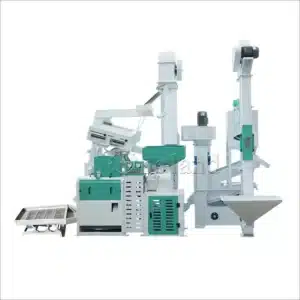
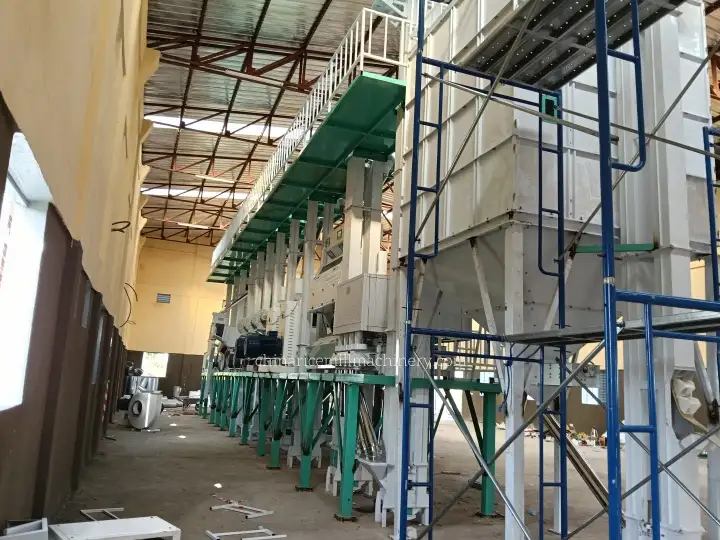
The 60T rice milling unit is designed to integrate multiple rice processing stages into a coordinated production system. With suitable configuration and professional installation, it can help customers establish a more efficient rice processing operation.
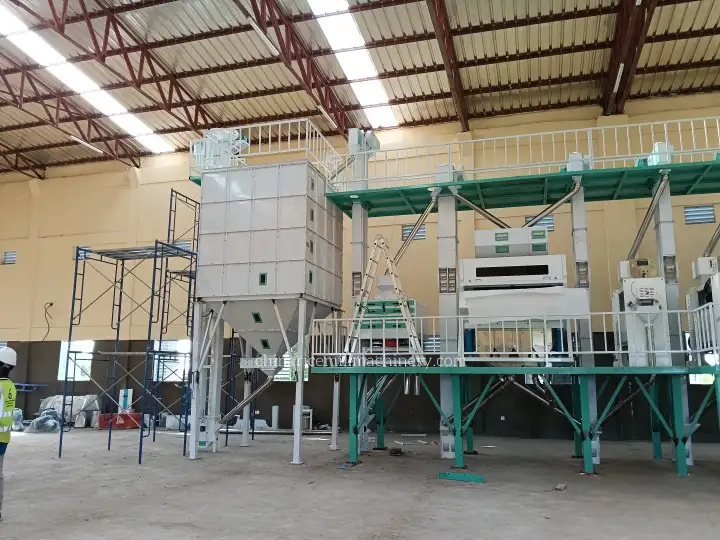
Why Choose a 60T Rice Milling Unit?
For rice processing businesses, selecting the right rice milling equipment is essential for improving productivity and maintaining consistent product quality. A 60T rice milling unit provides a practical solution for customers who require a relatively large processing capacity and an integrated rice milling system.
The main advantages include the following.
1. High Processing Capacity
A 60T rice milling unit is designed for commercial rice processing operations that require substantial raw material handling capacity.
The actual production capacity depends on the equipment configuration and the way the capacity is specified. For example, a 60-ton-per-day system may process approximately 60 tons of paddy rice within a standard operating day under suitable working conditions. Buyers should confirm whether the quoted capacity refers to paddy input or finished rice output before purchasing.
2. Integrated Rice Processing
A complete rice milling system can combine several processing stages, including paddy cleaning, stone removal, husking, paddy separation, rice whitening, polishing, grading, and packaging.
The specific machines included depend on the customer’s production requirements and the selected configuration.
By integrating these processes, a rice milling unit can reduce unnecessary material handling and help improve overall production efficiency.
3. Improved Rice Quality
Rice quality is an important factor affecting market competitiveness. Modern rice milling equipment helps remove impurities, separate rice husks, and process brown rice into white rice according to the required specifications.
Proper adjustment of milling pressure, feed rate, and other operating parameters can help reduce broken rice and improve the appearance of the final product.
The final rice quality also depends on paddy variety, moisture content, grain condition, and operator experience.
4. Suitable for African Rice Processing Businesses
The 60T rice milling unit can be considered by rice processing businesses in Burkina Faso and other African countries where commercial rice production and processing are developing.
For local investors, a suitable rice milling system can support value-added agricultural processing, create business opportunities, and help supply more consistently processed rice to local markets.
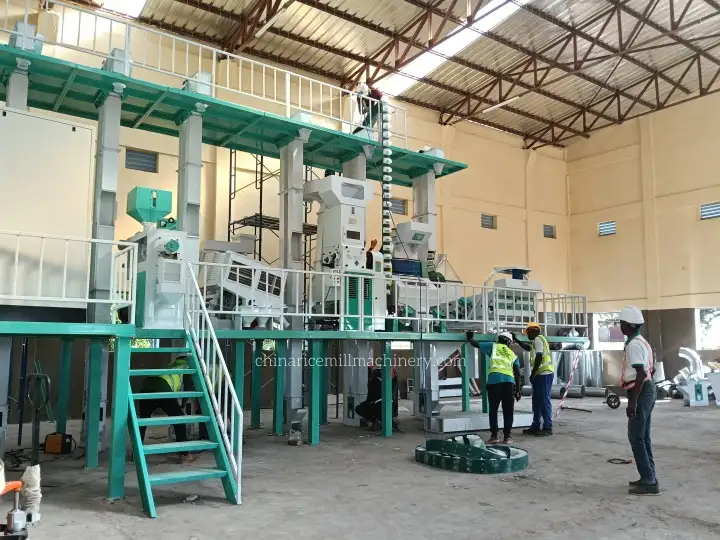
Successful Installation in Burkina Faso
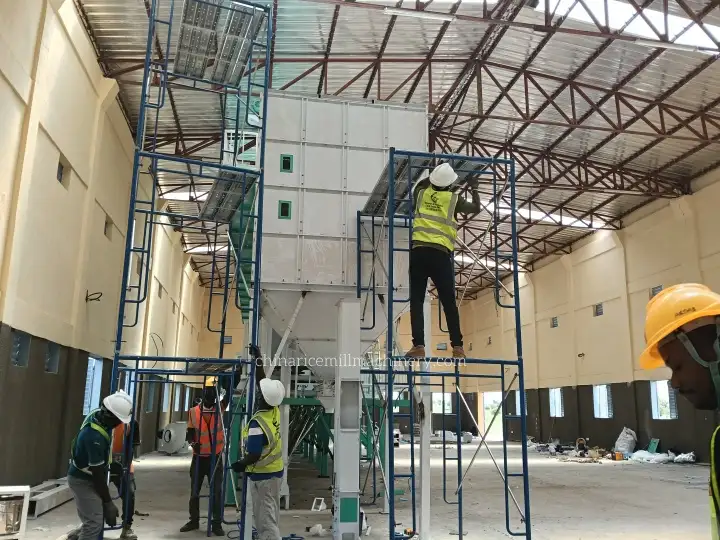
Installing a rice milling unit involves more than delivering machinery. Proper site preparation, equipment positioning, electrical installation, system connection, and operational testing are also important.
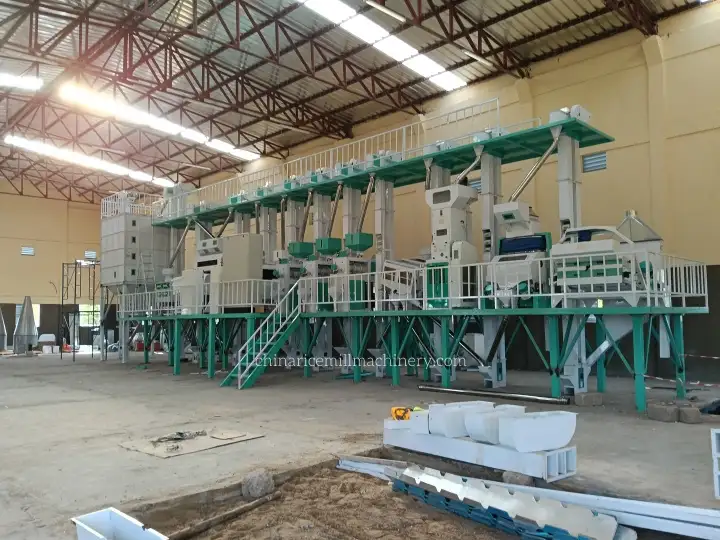
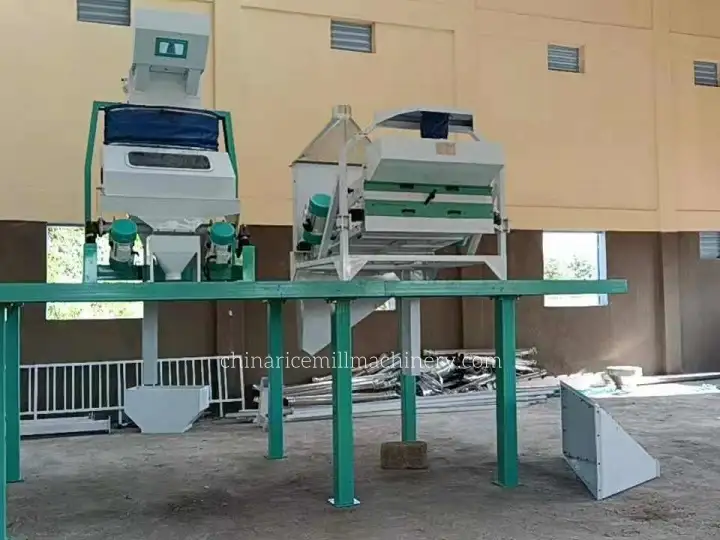
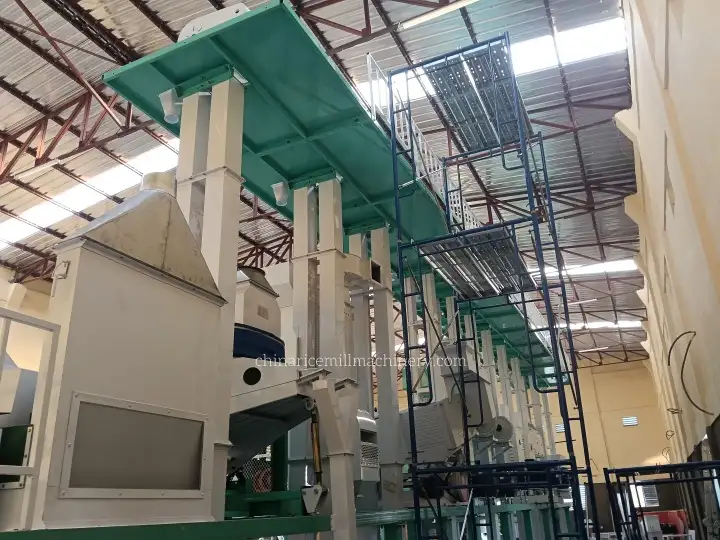
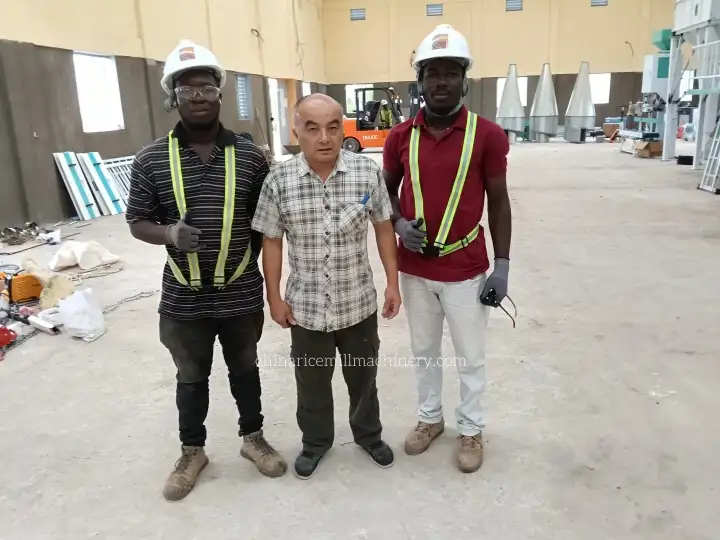
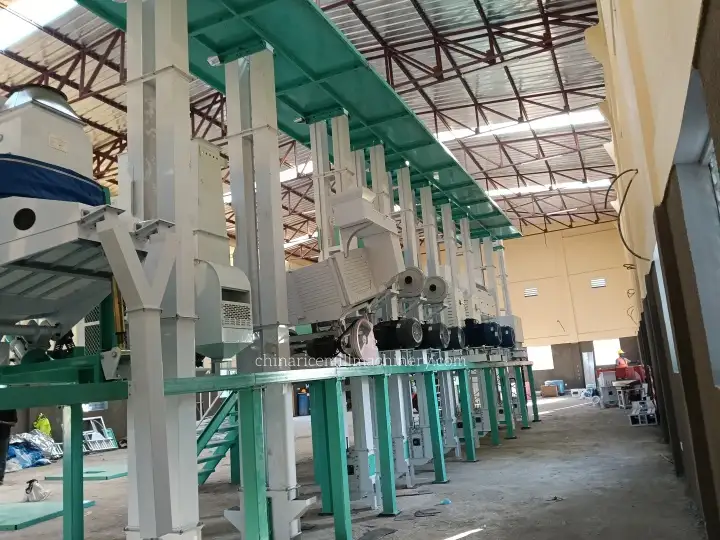
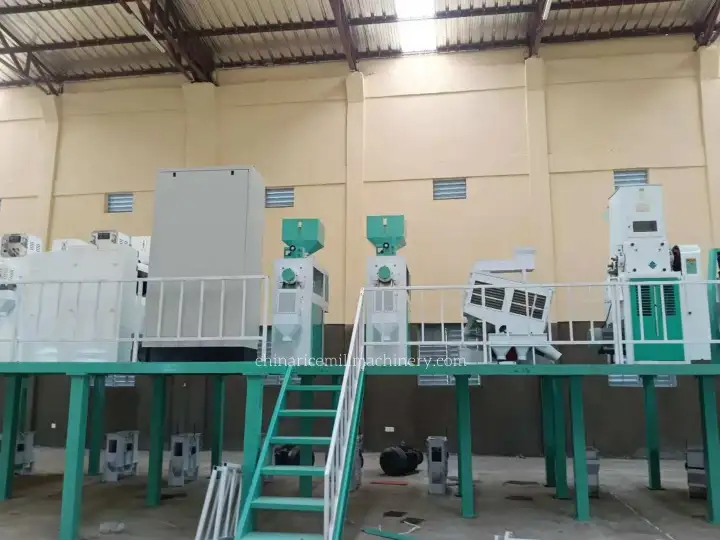
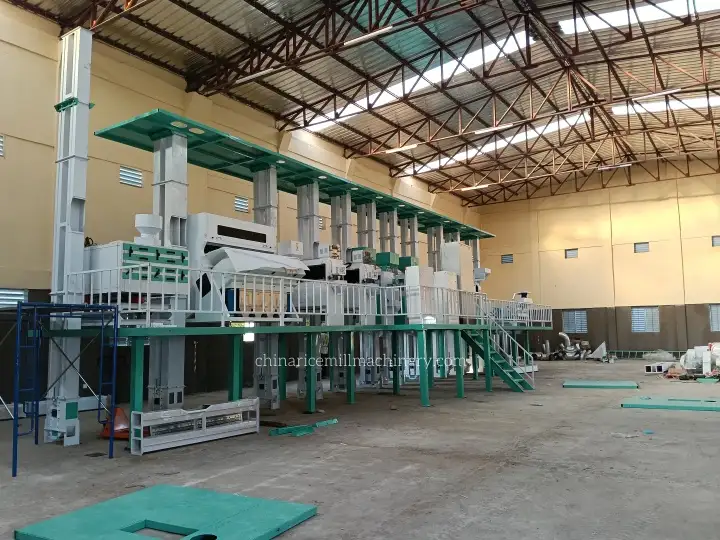
For the Burkina Faso project, the installation process focused on coordinating the equipment layout and preparing the production system for operation.
Step 1: Site Preparation and Equipment Layout
Before installation, the processing site needs sufficient space for the equipment, raw paddy storage, finished rice storage, material transportation, and routine maintenance.
A well-planned layout helps operators move materials efficiently and provides convenient access to key machine components.
The foundation, workshop height, power supply, and dust-control arrangements should also be checked before installation begins.
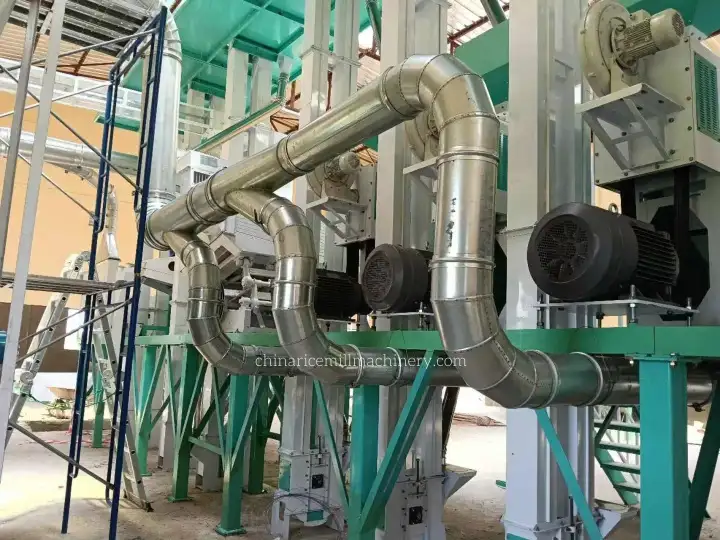
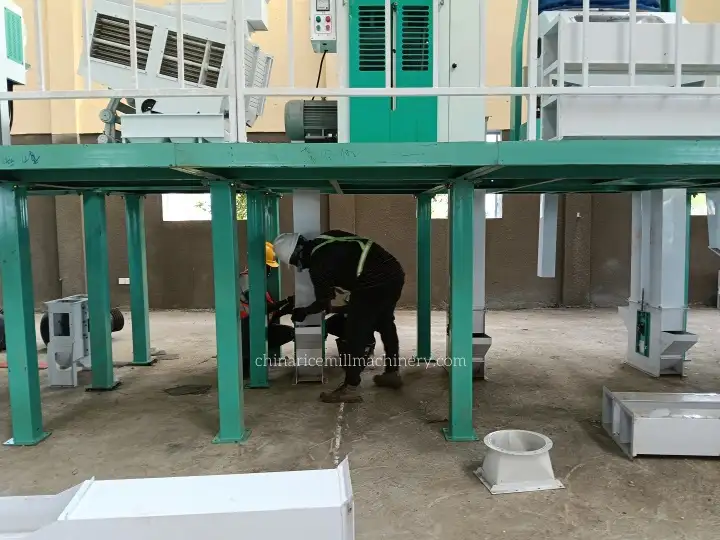
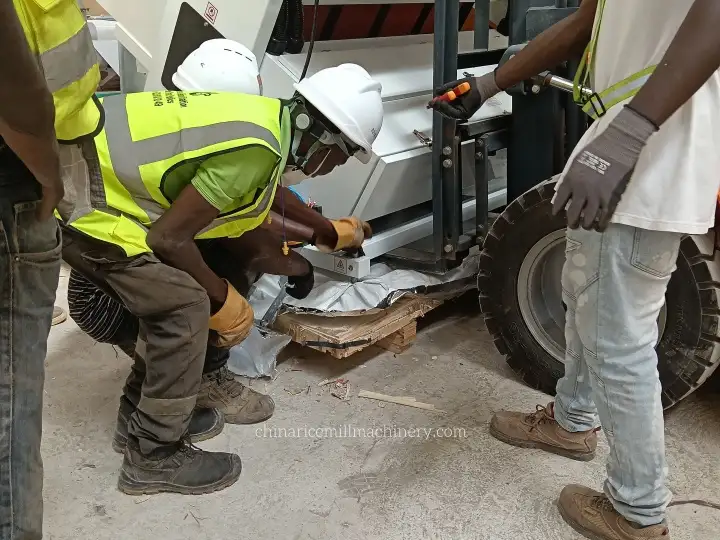
Step 2: Equipment Installation and Connection
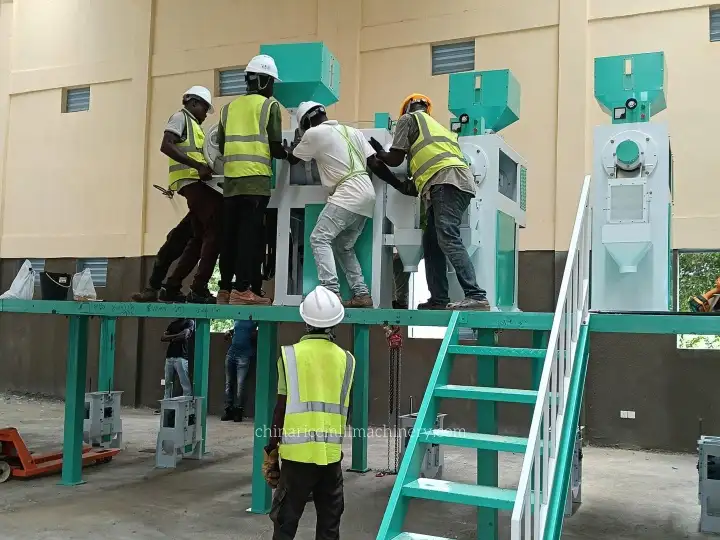
The rice milling machines are positioned and connected according to the selected system configuration.
Depending on the equipment supplied, this stage may include connecting conveyors, elevators, cleaning equipment, husking machines, separators, rice mills, polishing machines, grading equipment, and electrical controls.
Correct alignment and secure connections are essential for stable operation.
Step 3: System Inspection and Commissioning
After mechanical installation, the system should be inspected before production begins.
Important checks include motor rotation, electrical connections, transmission components, safety guards, material flow, and dust collection.
The equipment should then undergo trial operation. Operators can gradually adjust the feed rate and processing parameters to achieve the required processing performance.
Step 4: Operator Training and Production Preparation
Operator training is an important part of establishing a reliable rice processing operation.
Workers should understand the equipment’s operating procedures, routine maintenance requirements, safety precautions, and basic troubleshooting methods.
Before commercial production, the customer should also confirm the expected output, rice quality, energy consumption, and finished-product specifications under actual operating conditions.
Main Applications of the 60T Rice Milling Unit
A 60T rice milling unit can serve different types of agricultural and grain processing businesses.
Commercial rice mills: Rice milling businesses can process paddy rice into marketable finished rice for wholesale and retail distribution.
Agricultural cooperatives: Cooperatives can use centralized processing equipment to add value to rice harvested by local farmers.
Rice trading companies: Businesses involved in paddy procurement and rice distribution can consider integrated milling equipment to support their processing operations.
Agricultural investment projects: Investors planning to establish a rice processing plant can evaluate a 60T rice milling unit as part of a larger agricultural processing project.
The final equipment selection should be based on local paddy supply, expected production volume, available utilities, labor conditions, and market demand.
How to Choose the Right Rice Milling Machine in Burkina Faso
If you are planning to invest in a rice milling machine in Burkina Faso, several factors should be considered before making a purchase.
1. Confirm the Required Capacity
Determine how much paddy rice you expect to process daily. You should also distinguish between paddy input capacity and finished rice output capacity.
This distinction is important when comparing different rice milling machine suppliers.
2. Check the Complete Equipment Configuration
Ask the supplier for a detailed equipment list, processing flow chart, and factory layout.
A complete rice milling plant may require cleaning, destoning, husking, paddy separation, whitening, polishing, grading, and packaging equipment. Not every project requires the same configuration.
3. Evaluate Rice Quality Requirements
Different markets may have different requirements for rice whiteness, broken rice percentage, grain appearance, and packaging.
Discuss these requirements with the supplier to determine whether additional polishing, grading, or color-sorting equipment is necessary.
4. Consider Installation and After-Sales Support
For overseas projects, installation guidance, spare parts availability, technical documentation, and operator training can significantly affect long-term equipment performance.
Choosing a supplier that can provide clear technical support helps reduce installation difficulties and operational downtime.
5. Calculate the Total Investment
The cost of a 60T rice milling unit depends on the machine configuration, automation level, material handling system, installation requirements, and shipping arrangements.
When evaluating quotations, consider not only the initial equipment price but also transportation, civil works, electrical installation, labor, spare parts, and operating costs.
Why Invest in Rice Processing Equipment in Burkina Faso?
Rice processing can create additional value by transforming harvested paddy into a product suitable for commercial distribution.
For businesses in Burkina Faso, investment in rice milling equipment may provide several opportunities:
Value-added processing: Convert raw paddy into marketable milled rice.
Improved processing efficiency: Integrate multiple processing stages into a coordinated system.
Product quality management: Adjust processing parameters to meet market requirements.
Business expansion: Develop rice milling services, wholesale distribution, or integrated agricultural processing operations.
However, the profitability of a rice milling project depends on raw material prices, paddy availability, equipment utilization, labor and energy costs, rice recovery rate, and selling prices. Investors should conduct a local feasibility study before committing to a large-scale project.
Frequently Asked Questions About the 60T Rice Milling Unit
1. What does a 60T rice milling unit mean?
A 60T rice milling unit generally refers to a rice processing system associated with a nominal capacity of 60 tons. The exact meaning should be confirmed with the manufacturer, particularly whether the figure represents paddy input per day or finished rice output.
2. What machines are included in a complete rice milling unit?
A typical system may include a paddy cleaner, destoner, husker, paddy separator, rice whitener, polisher, rice grader, elevators, conveyors, and packaging equipment. The exact configuration varies by project.
3. How much does a 60T rice milling unit cost?
The price depends on the processing capacity definition, equipment configuration, automation level, brand, installation requirements, and shipping destination. Contact the supplier with your required capacity and configuration to obtain an accurate quotation.
4. Can the rice milling unit be used in other African countries?
Yes. Depending on the configuration and local operating conditions, rice milling equipment can be installed in other African markets. Buyers should evaluate local power supply, paddy characteristics, processing requirements, and after-sales support before purchasing.
5. What information is needed to obtain a quotation?
Buyers should provide their required daily processing capacity, expected rice output, preferred automation level, available installation space, local power specifications, and destination port or delivery location.
Conclusion
The successful installation of the 60T rice milling unit in Burkina Faso highlights the potential of integrated rice processing equipment to support commercial rice milling operations in West Africa.
For rice mill owners, agricultural cooperatives, and investors, selecting the right rice milling system is an important step toward improving processing efficiency and producing rice that meets market requirements.
If you are planning to establish or upgrade a rice processing plant in Burkina Faso or another African country, contact our team to discuss your production requirements. We can help you evaluate a suitable rice milling machine configuration based on your capacity, budget, and processing objectives.
Contact us today to learn more about our rice milling units and request a customized quotation for your rice processing project.